What Is a Craft Supplies Website Template?
A craft supplies website template is a pre-designed, fully coded website built specifically for craft supply stores, art material retailers, handmade goods shops, DIY craft studios, creative workshops, and maker spaces. It includes every page a craft business needs — homepage with product showcase and brand storytelling, portfolio gallery displaying craft projects and supply applications, detailed service pages for workshops and custom orders, artist and instructor team profiles, blog for craft tutorials and project inspiration, FAQ for shipping and material questions, and contact page with inquiry forms — all designed, responsive, and ready for your brand.
For craft supply businesses that need a professional web presence without paying $5,000 to $15,000 for a custom build or $50 to $200 per month for a managed marketplace platform, a template delivers the most practical path to a brand-building online presence. But craft supply websites face a unique creative challenge: they must simultaneously function as a retail storefront and an inspiration hub. Craft customers do not simply buy supplies — they buy possibilities. Your website must showcase what can be created with your products, not just list inventory. This guide covers what craft customers expect from your website, what features drive both sales and community engagement, and how to choose the right template for your craft business.
Craft Supplies vs Art Gallery: Different Audiences, Different Needs
Art gallery websites display finished works for collectors and art enthusiasts — they are showroom experiences built around contemplation and prestige. Craft supplies websites serve a fundamentally different audience: makers, hobbyists, workshop attendees, and DIY enthusiasts who visit your site to find materials, learn techniques, book classes, and get inspired by project examples. Your website must combine retail functionality with educational content and creative inspiration. The portfolio is not a gallery of art for sale — it is a showcase of what your supplies can help customers create.
Template vs Marketplace Platform vs Custom Build
| Factor | Marketplace Platform (Etsy, Shopify) | Craft Supplies Website Template | Custom Website Build |
|---|---|---|---|
| Upfront Cost | $0–39 | $29–69 | $5,000–15,000 |
| Monthly Cost | $15–79/month + fees | $3–10/month (hosting only) | $50–150/month |
| Transaction Fees | 3.5%–6.5% per sale | None (own payment processor) | None |
| 3-Year Total Cost (at $3K/mo revenue) | $4,320–7,020 + $3,780–$7,020 in fees | $137–429 | $6,800–20,400 |
| Code Ownership | No — you rent it | Yes — you own it forever | Yes — you own it |
| Brand Identity | Constrained by platform | Fully customisable design | Fully custom |
| Project Portfolio | Limited or none | Isotope-filtered gallery with detail pages | Any format |
| Workshop Booking | Requires add-ons | Service pages with inquiry forms | Custom development |
| Vendor Lock-in | High — audience belongs to platform | None | None |
Marketplace platforms like Etsy and Shopify offer built-in audiences but charge transaction fees that compound dramatically at scale. A craft supply store processing $3,000 in monthly revenue loses $1,260 to $2,340 annually in transaction fees alone on Etsy — fees that could fund inventory expansion, workshop materials, or marketing. A template provides the brand-owned website that builds your identity outside platform dependency, while Etsy can serve as a supplementary sales channel.
What Craft Supply Customers Expect From Your Website
Craft supply customers are a uniquely engaged audience. Unlike commodity shoppers who compare prices and click “buy,” craft customers browse, explore, get inspired, and develop loyalty to stores that enhance their creative journey. Here is what they evaluate when visiting a craft supply website:

Project Portfolio and Inspiration Gallery
The most powerful sales tool on any craft supply website is not the product catalogue — it is the project portfolio. A gallery showcasing finished projects made with your supplies transforms abstract materials into tangible possibilities. A skein of hand-dyed yarn becomes a stunning cable-knit blanket. A set of ceramic glazes becomes a collection of artisan mugs. Polymer clay becomes miniature sculptures. Isotope-filtered portfolios that let visitors browse by craft type — knitting, ceramics, paper crafts, woodworking, jewellery making, resin art — help customers find inspiration specifically relevant to their creative interests.
Individual portfolio detail pages that show the materials used, technique overview, difficulty level, and time investment provide practical context that directly drives supply purchases. When a visitor sees a gorgeous macrame wall hanging, reads that it requires 200 metres of 4mm cotton cord, a wooden dowel, and brass beads — and all those supplies are available in your shop — the path from inspiration to purchase becomes irresistible.
Service Pages for Workshops and Custom Orders
Craft supply stores increasingly generate revenue through workshops, classes, and custom order services. Pottery classes, watercolour painting sessions, candle-making workshops, macrame beginner courses, and seasonal craft events bring customers into your physical or virtual space and create repeat supply purchases. Dedicated service pages with individual detail pages for each workshop or service type — not just a calendar listing — provide the depth needed to justify workshop pricing and communicate what participants will learn and create.
Custom order services — bespoke yarn dyeing, custom stamp carving, personalised embroidery kits, curated supply boxes for specific projects — deserve their own service detail pages explaining the process, timelines, pricing structure, and example outcomes. These high-margin services differentiate your store from commodity supply retailers and build deeper customer relationships.
Artist and Instructor Profiles
Craft customers connect with people, not just products. Team pages that introduce your artists, instructors, workshop leaders, and supply curators with their creative backgrounds, specialities, and personal craft stories build the human connection that drives loyalty. Individual artist detail pages with bios, portfolio highlights, and upcoming workshop schedules transform staff from anonymous employees into creative mentors that customers follow and trust.
CounterUp animated statistics displaying projects completed, workshops taught, students mentored, and years of crafting experience provide instant credibility signals. A store showing “1,200 workshops taught, 8,000 makers mentored, 15 years in the craft community” communicates established authority faster than any marketing paragraph.
Tutorial Blog Content
Craft customers are voracious content consumers. They search for project tutorials, technique guides, material comparisons, seasonal craft ideas, supply reviews, and skill-building articles before and between purchases. A blog that serves this educational appetite — with standard posts for detailed tutorials, grid layouts for seasonal project round-ups, and full-article detail pages for comprehensive technique guides — positions your store as a creative authority, captures organic search traffic from crafters researching their next project, and naturally links tutorial content to your product catalogue.
FAQ for Materials and Shipping
Craft supply customers ask specific questions that general retail FAQs cannot answer. Material compatibility, colour fastness, tool maintenance, supply substitutions, international shipping for fragile items, wholesale pricing for workshop supplies, return policies for opened materials, and safety data for chemical supplies (resin, dyes, solvents) all require clear, detailed answers. A dedicated FAQ page that anticipates these craft-specific questions reduces support inquiries, builds purchase confidence, and demonstrates the material expertise that distinguishes specialty craft stores from generic retail.
Visual Merchandising and Product Presentation
Physical craft stores invest heavily in visual merchandising — arranging supplies into themed displays, creating colour-coordinated material walls, and staging project vignettes that inspire impulse purchases. Your website must replicate this visual merchandising digitally. High-quality product photography showing supplies in context — yarn balls arranged by colour gradient, paint sets displayed with brushes and canvas, bead collections photographed alongside finished jewellery — creates the same browsing pleasure online that drives in-store sales. Magnific Popup lightbox galleries that let visitors examine materials at full-screen resolution satisfy the need to inspect texture, colour accuracy, and material quality that craft customers require before purchasing supplies they cannot physically touch.
Community Building Through Content
The most successful craft supply stores are not just retailers — they are community hubs. Your website should foster this community connection through multiple content channels. Blog posts featuring customer project spotlights create social proof and encourage submissions. Seasonal craft challenge announcements build engagement cycles. Material comparison guides (which watercolour paper is best for wet-on-wet technique, which adhesive works best for mixed media) position your store as an expert advisor rather than just a supplier. Instructor bios with personal crafting stories create parasocial connections that build loyalty. Every piece of content on your craft supply website should serve the dual purpose of providing value and deepening the customer’s relationship with your brand.
Seasonal and Trend Responsiveness
Craft supply purchasing follows strong seasonal patterns — holiday gift-making supplies surge in October through December, garden and outdoor craft materials peak in spring, back-to-school craft kits sell in August, and wedding craft supplies have their own seasonal curve. Your website must support this seasonality through a blog that publishes timely content, a portfolio that features seasonally relevant projects, and a homepage that highlights current seasonal offerings. Templates with multiple homepage layouts allow you to rotate seasonal presentations without redesigning your entire site — one homepage for the holiday crafting season, another for spring workshop promotions, a third for summer craft camp registrations.
Essential Features for a Craft Supplies Website
Craft supply websites require specific features that general e-commerce templates cannot provide. Here are the elements that drive both sales and community building:
Isotope-Filtered Portfolio Gallery
An Isotope-filtered portfolio gallery that categorises finished projects by craft type, difficulty level, or material category allows visitors to explore inspiration organised by their specific interests. A quilter browsing your portfolio filters for “quilting” and sees completed projects. A jewellery maker filters for “jewellery” and discovers new techniques. Each gallery item links to a portfolio detail page with material lists and technique notes, creating a direct bridge from inspiration to product discovery and purchase.
Services Module With Individual Detail Pages
A services module with an overview page listing all workshops, classes, and custom services — plus individual detail pages for each offering — provides the commercial framework for your non-retail revenue streams. Each service detail page accommodates full descriptions, scheduling information, pricing, skill prerequisites, material lists, and instructor credentials. This structure supports both recurring workshops and seasonal special events.
Team Pages With Individual Artist Profiles
Artist and instructor profiles with individual detail pages go beyond basic team listings. Each profile page presents the artist’s creative background, specialities, featured portfolio work, upcoming workshop schedule, and personal craft philosophy. This depth transforms your team page from a corporate directory into a gallery of creative mentors — exactly the presentation that craft customers find compelling and trust-building.
Responsive Mobile Browsing Experience
Craft supply customers frequently browse on mobile devices — scrolling through project inspiration during commutes, saving ideas during lunch breaks, and comparing materials while standing in physical stores. A responsive mobile-first framework ensures that Isotope-filtered portfolios, project galleries, service detail pages, and contact forms function flawlessly on smartphones and tablets. Touch-friendly carousels, tap-to-zoom lightbox galleries, and mobile-optimised navigation create a browsing experience that respects how craft customers actually use their devices. The mobile experience is especially critical for workshop registrations and last-minute supply orders placed from smartphones.
How Much Does a Craft Supplies Website Cost?
| Cost Component | Template Approach | Custom Build |
|---|---|---|
| Website Template / Design | $29–69 (one-time) | $5,000–15,000 |
| Domain Name (.com) | $10–15/year | $10–15/year |
| Web Hosting | $3–10/month | $20–80/month |
| SSL Certificate | Free (Let’s Encrypt) | Free–$200/year |
| Professional Email | $6/user/month (Google) | $6/user/month |
| E-Commerce Integration | $0–29/month (Snipcart, Ecwid) | Custom built into project |
| Workshop Booking Tool | $0–15/month (Calendly) | Custom development |
| Content Photography | $200–800 | $500–2,000 |
| Year 1 Total | $350–1,800 | $6,500–20,000 |
| Annual Maintenance (Year 2+) | $150–500 | $1,200–5,000 |
Common Mistakes in Craft Supply Web Design
Treating the Website as a Catalogue Only
The biggest mistake craft supply stores make is building a website that only lists products. Craft customers shop based on projects, not just materials. A website that shows only yarn skeins without knitting patterns, paint tubes without finished paintings, or beads without jewellery designs misses the inspirational element that drives craft purchases. Your portfolio, blog, and project galleries are not optional extras — they are the primary sales tools that transform browsers into buyers.
Ignoring the Workshop Revenue Stream
Many craft stores mention workshops in a sidebar or blog post rather than giving them dedicated service pages with proper detail. Workshops are high-margin revenue generators that also drive repeat supply purchases — a pottery student buys clay and glazes for months after a single workshop. Service pages with individual detail pages, instructor profiles, and scheduling information turn workshop offerings from afterthoughts into primary revenue channels.
Neglecting the FAQ
Craft customers have technical questions that require expert answers. Material compatibility, colour matching between batches, tool specifications, safety information for chemical supplies, and international shipping requirements for liquids and aerosols all create support burden if unanswered. A comprehensive FAQ page addresses these questions proactively, reducing support costs while demonstrating the material expertise that establishes your store as a specialist rather than a generalist retailer.
How to Evaluate a Craft Supplies Template
Portfolio Architecture
Does the template include a dedicated portfolio section with Isotope filtering and individual detail pages? A template without a project portfolio cannot serve craft supply businesses effectively. The portfolio is where inspiration happens — and inspiration is what converts browsers into buyers in the craft market.
Service Module Depth
Does the template offer a services module with individual detail pages for each service? A single “services” page with icon boxes cannot properly present workshop descriptions, scheduling, pricing, and instructor information. Individual service detail pages are essential for any craft store offering workshops, classes, or custom order services.
Team Presentation Quality
Does the template include team profiles with individual detail pages? Craft businesses are personality-driven. A team grid with only names and titles fails to communicate the creative expertise that craft customers seek. Individual artist detail pages with bios, specialities, and portfolio highlights are the standard for craft supply websites that build community loyalty.
Blog Format Variety
Does the template offer multiple blog formats? Craft content ranges from quick project ideas (grid format) to comprehensive technique guides (full-width with sidebar). A template with only a single blog layout restricts your content strategy. Standard posts for tutorials, grid layouts for seasonal round-ups, and detailed article pages with related posts create the editorial flexibility that consistent craft content publishing requires.
Gallery and Lightbox Quality
Craft is inherently visual. Does the template include a dedicated gallery page with Magnific Popup or equivalent lightbox functionality? Craft customers need to examine project details, material textures, and colour accuracy at full resolution. A gallery without lightbox enlargement fails the visual inspection test that craft purchasing requires. The gallery page should serve as both an inspiration destination and a visual catalogue of capabilities.
Craftato: A Craft Supplies Website Template Built for Creative Businesses
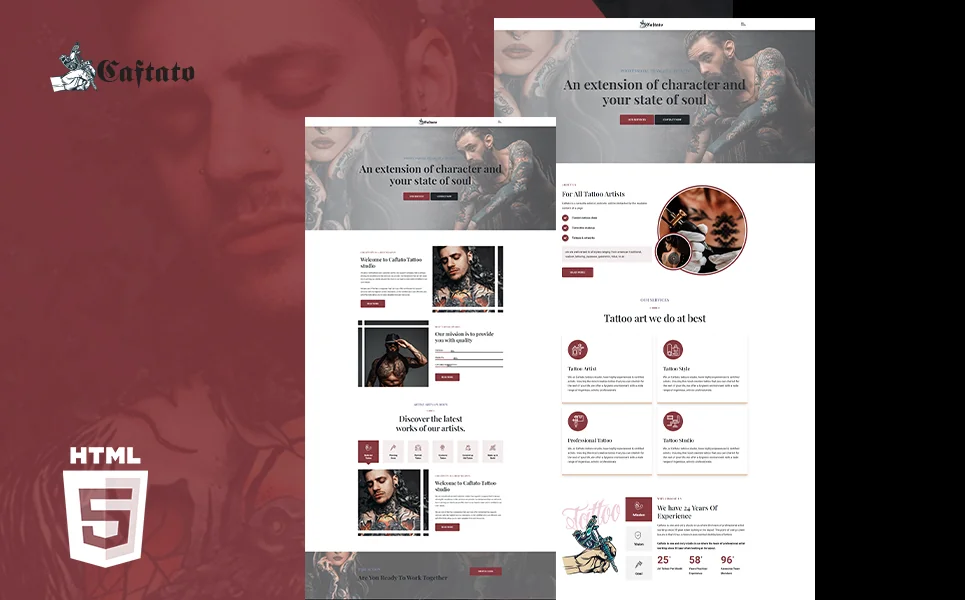
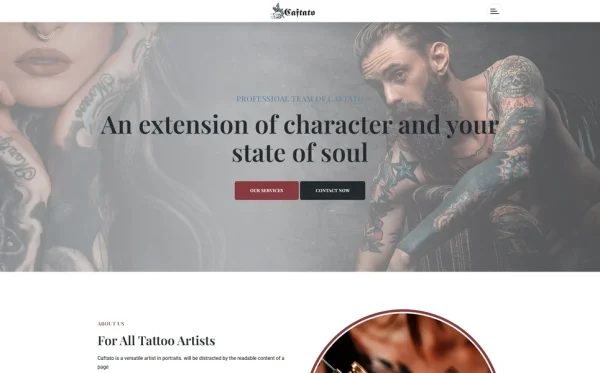
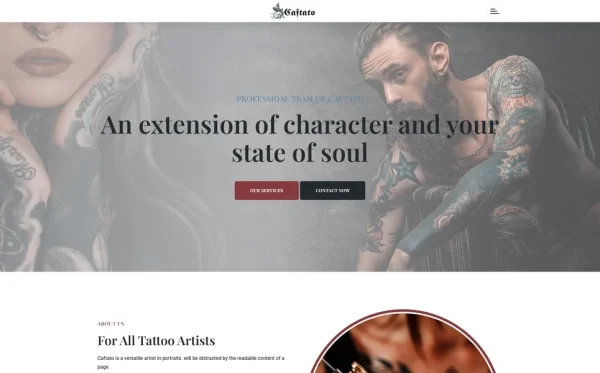
Craftato is a 15-page HTML5 template designed for craft supply stores, art material retailers, maker spaces, creative workshops, and handmade goods businesses. Built on Bootstrap 5 with Owl Carousel, Isotope grid filtering, CounterUp animated statistics, and Magnific Popup lightbox, Craftato provides the creative foundation that craft businesses need to showcase both products and possibilities.
The template centres on a portfolio module with Isotope-filtered archive and individual detail pages — the inspiration engine that drives craft supply purchases. Visitors browse finished projects filtered by craft type, click through to detail pages showing materials used and techniques applied, and naturally discover the supplies they need for their own projects. This inspiration-to-purchase flow is the core commercial strategy for successful craft supply websites.
A services module with overview and individual detail pages handles workshop listings, class descriptions, custom order services, and studio rental offerings. Each service gets its own fully designed page with space for descriptions, scheduling, pricing, instructor information, and registration CTAs. The team section with individual artist detail pages presents instructors and craft specialists as creative mentors — complete with bios, specialities, and featured work.
- 15 HTML pages across portfolio, services, team, blog, gallery, and utility pages
- 2 unique homepage layouts with distinct craft showcase arrangements
- Portfolio module — Isotope-filtered archive + individual project detail pages
- Services module — overview + individual service/workshop detail pages
- Team artist profiles grid + individual artist detail pages with bios
- Gallery page for studio atmosphere and craft project photography
- Blog in 3 formats: standard, grid, and full article detail
- FAQ page for material questions, shipping, and workshop information
- CounterUp animated statistics (projects, workshops, years)
- Magnific Popup lightbox for full-screen project imagery
- Bootstrap 5 responsive mobile-first framework
- Cross-browser compatible: Chrome, Firefox, Safari, Edge, Opera
How Craftato Serves Different Craft Businesses
Yarn and Fibre Shops
Yarn stores use Craftato’s portfolio to showcase finished knitting and crochet projects — scarves, blankets, garments, amigurumi — filtered by technique or difficulty level. Each detail page lists the specific yarns and needles used, linking inspiration directly to products. The services module presents knitting circles, beginner workshops, and advanced technique classes. Team profiles introduce instructors with their fibre art specialities and personal knitting journeys.
Art Supply Retailers
Art supply stores use the portfolio as an artist showcase — displaying paintings, illustrations, and mixed media work created with supplies available in the store. The blog publishes technique guides, material comparisons, and seasonal project ideas. The services module handles life drawing sessions, watercolour workshops, and children’s art classes. The FAQ addresses material questions: brush care, paint compatibility, paper weight specifications, and archival quality standards.
Maker Spaces and Creative Studios
Maker spaces use the services module extensively — presenting each available craft station (woodworking, laser cutting, 3D printing, ceramics, screen printing) as an individual service with detail pages explaining equipment, safety requirements, membership tiers, and booking procedures. The portfolio showcases member projects created in the space. Team profiles highlight resident artists and instructors. The gallery page captures the vibrant studio atmosphere that attracts new members.
Handmade Goods Boutiques
Boutiques selling handmade crafts and artisan products use the portfolio to showcase the artisans and their creative process — from raw materials to finished products. The services module handles custom order services, commission requests, and gift wrapping. Team profiles introduce each artisan represented in the store. The blog publishes maker stories, behind-the-scenes features, and seasonal gift guides that drive both online and in-store traffic.
Frequently Asked Questions
Need Help Launching Your Craft Supplies Website?
MetropolitanHost provides professional web development services for HTML template deployments. Our team understands creative business website requirements and delivers inspiring, community-focused implementations.
- Template Installation — live in under 24 hours
- Full Website Package — complete front-to-back deployment
- Colour Customisation — match your craft brand across all pages
- Website Speed Optimisation — Core Web Vitals improvements
- Accessibility Compliance — WCAG audit and remediation