The cannabis cafe industry is experiencing explosive growth across North America and parts of Europe. As legalization spreads to new jurisdictions and consumer attitudes continue shifting, entrepreneurs are racing to establish cannabis-infused dining experiences that blend culinary creativity with a relaxed, social atmosphere. Amsterdam-style coffee shops have served as the blueprint for decades, but the modern cannabis cafe concept goes far beyond a counter and some rolling papers. Today’s cannabis cafes offer curated menus of infused edibles, THC-dosed beverages, CBD wellness drinks, and full dining experiences paired with carefully selected strains.
For any cannabis cafe owner or prospective operator, a professional website is not optional. It is the single most important marketing asset you will build. Unlike mainstream restaurants that can rely on Google Ads, Instagram promotions, and delivery app placements, cannabis businesses face severe advertising restrictions on every major digital platform. Google, Facebook, Instagram, and TikTok all prohibit paid cannabis advertising. That means your website is the primary channel through which potential customers discover your menu, learn about your philosophy, check your hours, and decide whether to visit.
This guide walks you through everything you need to know before choosing a website template for your cannabis cafe, from compliance requirements and essential page structures to design principles and technology stacks that actually work in this heavily regulated space.
The cannabis cafe industry is experiencing explosive growth across North America and parts of Europe. As legalization spreads to new jurisdictions and consumer attitudes continue shifting, entrepreneurs are racing to establish cannabis-infused dining experiences that blend culinary creativity with a relaxed, social atmosphere. Amsterdam-style coffee shops have served as the blueprint for decades, but the modern cannabis cafe concept goes far beyond a counter and some rolling papers. Today’s cannabis cafes offer curated menus of infused edibles, THC-dosed beverages, CBD wellness drinks, and full dining experiences paired with carefully selected strains.
For any cannabis cafe owner or prospective operator, a professional website is not optional. It is the single most important marketing asset you will build. Unlike mainstream restaurants that can rely on Google Ads, Instagram promotions, and delivery app placements, cannabis businesses face severe advertising restrictions on every major digital platform. Google, Facebook, Instagram, and TikTok all prohibit paid cannabis advertising. That means your website is the primary channel through which potential customers discover your menu, learn about your philosophy, check your hours, and decide whether to visit.
This guide walks you through everything you need to know before choosing a website template for your cannabis cafe, from compliance requirements and essential page structures to design principles and technology stacks that actually work in this heavily regulated space.
Why Cannabis Cafes Need a Specialized Website
A generic restaurant template will not work for a cannabis cafe. The regulatory environment surrounding cannabis businesses demands specific design considerations that mainstream food-service templates simply do not address.Cannabis businesses cannot advertise on Google Ads, Facebook, Instagram, TikTok, or any major social media advertising platform. Your website becomes your primary customer acquisition channel. Every dollar you invest in your site pays compounding returns through organic search traffic.
Essential Pages Every Cannabis Cafe Website Needs
The page structure of a cannabis cafe website differs significantly from a standard restaurant site. While the core elements overlap (homepage, about, contact), several cannabis-specific pages are non-negotiable. Homepage with Age Gate Your landing page should immediately establish your brand identity, showcase your signature offerings, and include a prominent reservation or booking call-to-action. But before any of that loads, an age verification overlay must appear. This is a legal requirement, not a design preference. Menu Page This is arguably the most important page on your site. Your menu should categorize items by type: infused edibles, THC beverages, CBD wellness drinks, traditional food items, and non-infused options for designated drivers or companions. Each item should display clear dosage information (THC/CBD milligrams), ingredient lists, allergen warnings, and pricing. Online Booking and Reservation System Cannabis cafes frequently operate at reduced capacity due to ventilation requirements and local occupancy limits. A built-in reservation system prevents overcrowding, manages customer expectations, and creates a VIP experience. Date pickers, time slot selection, and party size inputs are minimum requirements. Gallery Visual storytelling is critical for cannabis cafes. High-quality images of your space, your dishes, your team, and the overall atmosphere help potential customers envision the experience before they arrive. A well-designed gallery page with lightbox functionality converts browsers into visitors. Blog With paid advertising off the table, content marketing through a blog becomes your primary SEO strategy. Regular posts about cannabis culture, strain reviews, recipe spotlights, event recaps, and industry news drive organic traffic and establish your cafe as an authority in the space. About Page Cannabis consumers care deeply about the philosophy and sourcing practices of the businesses they support. Your about page should tell your story, highlight your team, explain your sourcing standards, and communicate your values around responsible consumption. Contact Page with Map Include your address, phone number, email, operating hours, and an embedded map. For cannabis businesses, clear location information also serves a compliance function, as it confirms you operate within a properly zoned area.Design Principles That Convert Cannabis Cafe Visitors
Cannabis cafe websites occupy a unique design space. They need to feel sophisticated enough to attract premium customers, relaxed enough to communicate the social nature of the experience, and professional enough to build trust with first-time visitors who may be unfamiliar with legal cannabis consumption. Color palettes in this niche tend toward deep greens, earth tones, warm ambers, and matte blacks. Avoid the stereotypical neon green and cannabis leaf motifs that dominated early dispensary branding. Modern cannabis consumers respond to clean, editorial-quality design that mirrors what they see from premium food and beverage brands. Typography should prioritize readability. Menu pages in particular need clear hierarchy: category headers, item names, descriptions, pricing, and dosage information must be scannable at a glance. Serif fonts for headings paired with clean sans-serif body text creates the editorial sophistication that premium cannabis brands demand. Mobile responsiveness is non-negotiable. Over 70 percent of restaurant and cafe website traffic now comes from mobile devices. Your template must deliver a flawless experience on smartphones, with thumb-friendly navigation, appropriately sized touch targets, and images that load quickly on cellular connections.Technology Stack and Framework Considerations
When evaluating website templates for a cannabis cafe, the underlying technology stack determines how easy the site will be to customize, maintain, and extend over time.Bootstrap 5 templates offer the best balance of responsive design, community support, and customization flexibility for cannabis cafe websites. The framework’s utility classes make it easy to adjust layouts without rewriting CSS, and its component library covers nearly every UI pattern a cafe site needs.
SEO Strategy for Cannabis Cafe Websites
Because cannabis businesses cannot use paid search or social media advertising, search engine optimization is not just important. It is your entire digital marketing strategy. Your website template must support clean HTML structure with proper heading hierarchy (H1 through H6), semantic HTML5 elements (header, nav, main, article, section, footer), and schema markup for local business information. Structured data helps search engines understand that your cannabis cafe is a real, licensed business at a specific location, which directly improves your visibility in local search results and Google Maps.| SEO Element | Why It Matters for Cannabis Cafes | Implementation Priority |
|---|---|---|
| Local Business Schema | Drives “cannabis cafe near me” visibility | Critical |
| Menu Schema Markup | Enables rich snippets for menu items | High |
| Blog with Categories | Targets long-tail cannabis keywords | High |
| Mobile-First Design | Google indexes mobile version first | Critical |
| Page Speed Under 3s | Reduces bounce rate by 32% | High |
| Alt Text on All Images | Captures image search traffic | Medium |
| SSL Certificate | Required for trust and ranking | Critical |
Cost of Building a Cannabis Cafe Website
Understanding the realistic costs involved helps you budget appropriately and avoid overpaying for features you do not need.| Approach | Estimated Cost | Timeline | Best For |
|---|---|---|---|
| Premium HTML5 Template | $19 – $59 | 1 – 2 weeks | Owners with developer access |
| WordPress Theme + Plugins | $100 – $300 | 2 – 4 weeks | DIY owners with tech comfort |
| Freelance Web Designer | $2,000 – $8,000 | 4 – 8 weeks | Custom branded experience |
| Full Agency Build | $10,000 – $30,000+ | 8 – 16 weeks | Multi-location or franchise |
| Cannabis-Specific Platform | $200 – $500/mo | 1 – 2 weeks | Dispensary-focused operations |
A premium HTML5 template at $19-$59 paired with a $10/month hosting plan gives you a complete cannabis cafe website for under $200 in your first year. Compare that to the $5,000+ average for a custom-designed restaurant site.
Cannafe: A Purpose-Built Cannabis Cafe Website Template
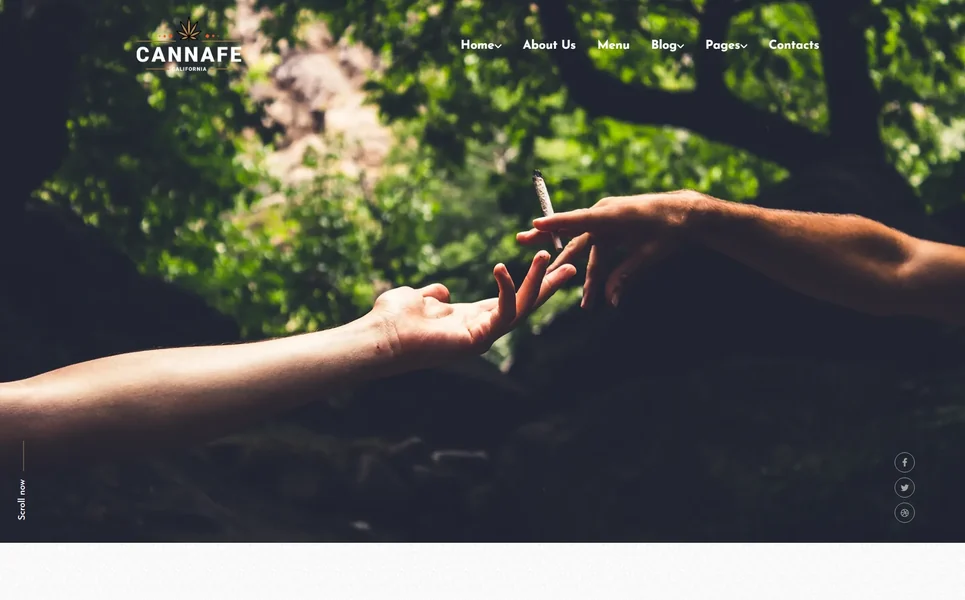
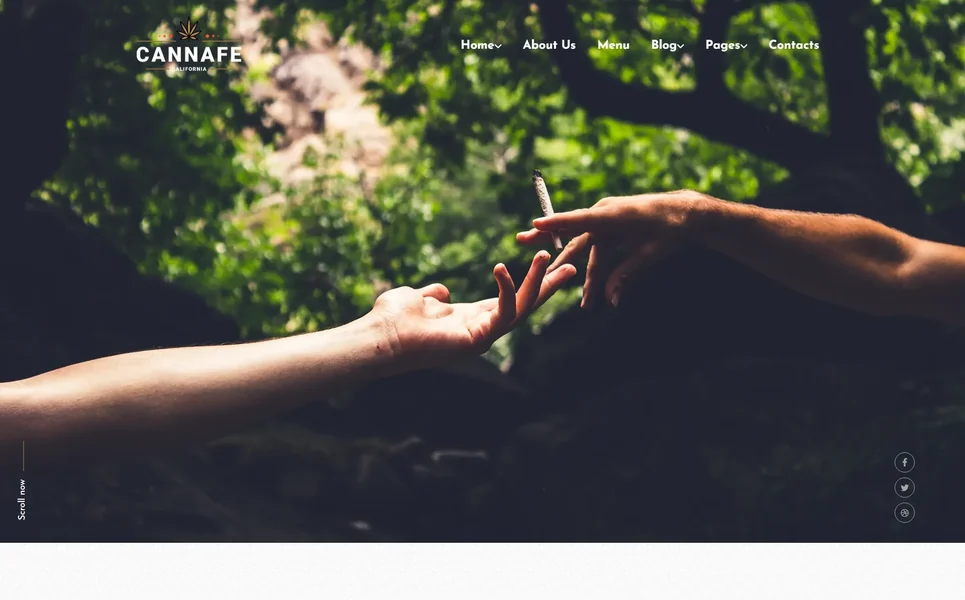
After evaluating dozens of templates marketed toward cannabis businesses, Cannafe stands out as one of the few that was designed specifically for cannabis cafes rather than being a generic restaurant template with a green color scheme applied after the fact. Cannafe is a stylish HTML5 template tailored specifically for cannabis cafes, CBD lounges, and marijuana-infused eateries. With 14 beautifully designed pages, it captures the laid-back yet sophisticated vibe of the cannabis cafe experience. The template ships with three homepage variations, giving you the flexibility to choose the atmosphere that best represents your brand, whether that is a moody lounge aesthetic, a bright California-style cafe, or a sleek urban dispensary vibe. The dedicated menu page is what sets Cannafe apart from generic options. It is structured to display cannabis-infused food, drinks, and edibles with the visual hierarchy that this product category demands. Each menu item gets the space it needs for descriptions, pricing, and the kind of detail that cannabis consumers expect. The built-in booking page handles table reservations, which is essential for cannabis cafes that manage occupancy limits. Rather than bolting on a third-party booking widget that clashes with your design, Cannafe integrates the reservation form natively into the template. A photo gallery page provides the visual storytelling component, while four distinct blog layouts (archive, grid, full-width, and single post) give you the content marketing infrastructure needed to drive organic search traffic. Built on Bootstrap 5 and jQuery, Cannafe is fully responsive and lightweight. The framework choice ensures cross-browser compatibility and mobile performance, while retina-ready graphics make food imagery look stunning on high-resolution displays.How to Launch Your Cannabis Cafe Website in Five Steps
Getting your cannabis cafe website live does not require months of development. With the right template, you can go from zero to launch in under two weeks. Step One: Secure Your Domain and Hosting Choose a domain name that includes your cafe name and ideally your city. Purchase hosting from a provider that does not restrict cannabis-related content. Not all hosts are cannabis-friendly, so verify their acceptable use policy before purchasing. Step Two: Customize Your Template Replace all placeholder content with your actual branding: logo, color scheme, menu items, team photos, and location details. Customize the three homepage variations to find the layout that best matches your brand personality. Step Three: Build Your Menu and Booking System Populate the menu page with your full offering, including clear dosage information and allergen warnings. Configure the booking page with your available time slots, capacity limits, and any special instructions for guests. Step Four: Create Your Blog Content Write at least five foundational blog posts before launch: a grand opening announcement, your sourcing philosophy, a guide to your menu categories, a strain education piece, and a local area guide for visitors. This gives search engines content to index on day one. Step Five: Add Legal Compliance Elements Implement age verification on your homepage, add your licensing information to the footer, include required disclaimers on product pages, and create a dedicated terms and conditions page that addresses cannabis-specific legal requirements in your jurisdiction.Frequently Asked Questions
Yes. In virtually every jurisdiction where cannabis is legal, businesses are required to verify that website visitors are of legal age before displaying cannabis-related content. Most implementations use a simple date-of-birth prompt or a yes/no confirmation overlay on the homepage. Some jurisdictions require integration with third-party identity verification services for online ordering.
No. Google Ads, Facebook, Instagram, and TikTok all prohibit paid advertising for cannabis businesses. This makes your website and its organic search presence your most valuable marketing asset. Invest in SEO, content marketing through your blog, and local business listings like Google Business Profile to drive traffic without paid ads.
Bootstrap 5 is the most widely recommended framework for cannabis cafe websites. It offers responsive, mobile-first design out of the box, extensive documentation, and a massive ecosystem of plugins and extensions. jQuery complements Bootstrap with interactive elements like carousels, lightbox galleries, and form validation.
Costs range from under $100 for a premium HTML5 template with self-hosted setup to $30,000 or more for a full agency build. Most independent cannabis cafe owners find that a premium template in the $19-$59 range provides all the pages and features they need, with total first-year costs (including hosting and domain) staying under $200.
A minimum viable cannabis cafe website needs at least seven pages: homepage with age gate, menu, booking or reservation page, about, gallery, blog, and contact. A more complete site adds legal and compliance pages, individual blog post pages, and potentially an events page for special tastings or community gatherings.
If your jurisdiction permits online ordering and delivery of cannabis products, an integrated ordering system can significantly increase revenue. However, cannabis e-commerce has additional compliance requirements including ID verification at delivery. For cafes focused on dine-in experiences, a reservation system is more practical than a full e-commerce checkout.
Not all hosting providers permit cannabis-related content. Providers known to be cannabis-friendly include Leafly’s recommended hosting partners, as well as established providers like SiteGround, A2 Hosting, and DigitalOcean. Always read the acceptable use policy before purchasing, and choose a provider that explicitly permits legal cannabis business websites.