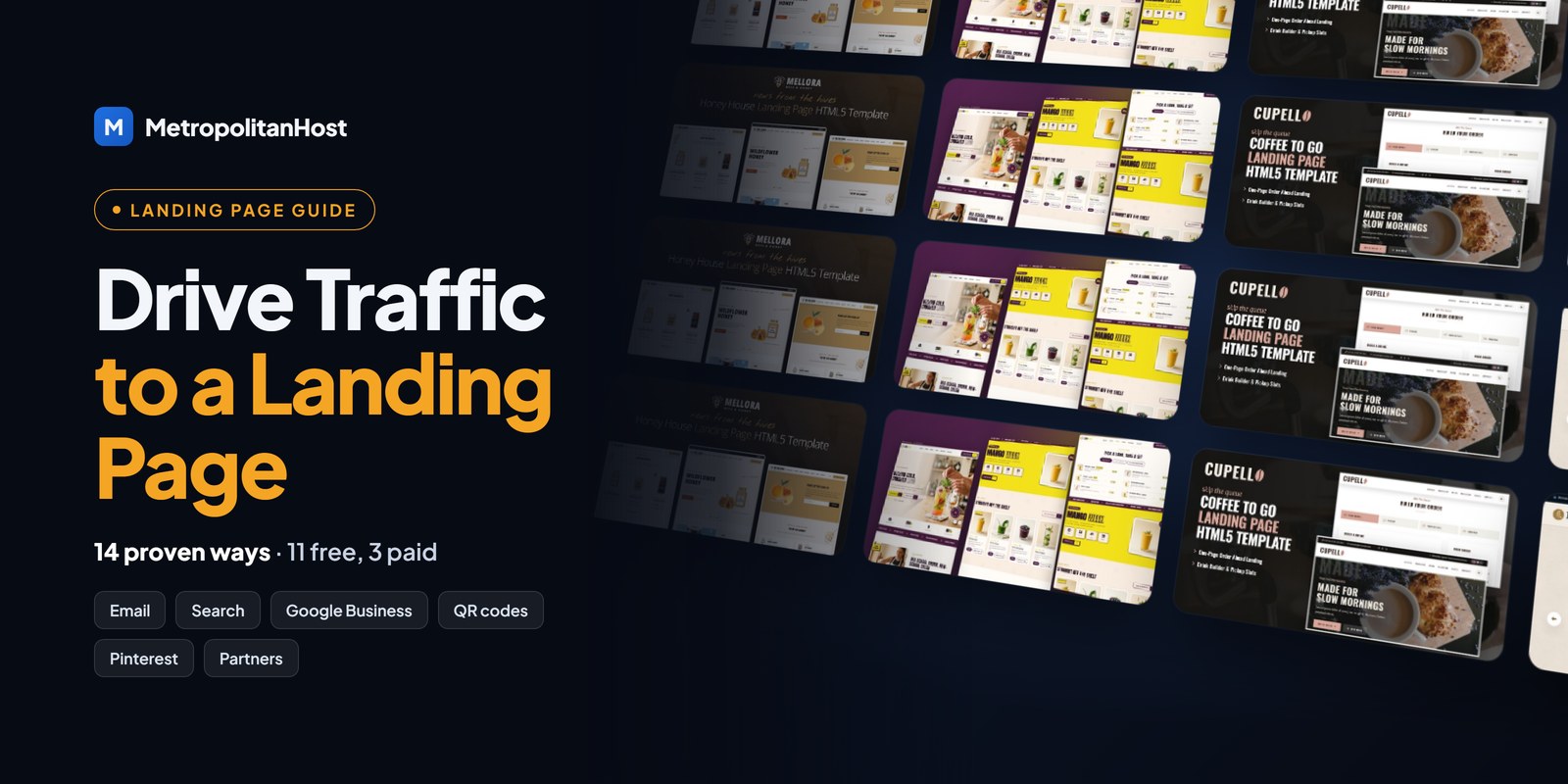
Knowing how to drive traffic to a landing page matters as much as building the page. A focused page with a strong offer still converts nobody if nobody sees it. The good news is that a landing page is easier to promote than a whole website, because it has one message, one audience and one link to share.
Ready to choose?Tech & Education website templates — every template with its live demo, formats and prices on one page.
Below are 14 proven ways to drive traffic to a landing page, starting with the free channels a small business controls and ending with paid options. For each one, you will see which type of landing page it suits best.
Before You Drive Traffic: Get the Landing Page Ready
Traffic is expensive, even when it is free, because it costs time. So check three things before you promote the page:
- One goal: the page asks for one action, such as a booking, an order or a sign-up.
- Speed: it loads fast on a phone, because most social and email visitors arrive on mobile.
- Tracking: each link you share carries UTM tags, so analytics shows which channel works.
If you are starting from scratch, a one-page HTML5 landing page template gives you that structure on day one.
Free Ways to Drive Traffic to a Landing Page
1. Send It to Your Email List
Your email list is the fastest free traffic source you own. Send the landing page in a short email with one link and one reason to click. Then send a reminder to people who opened but did not click.
2. Optimize the Landing Page for Search
A landing page can rank when it targets one specific search, such as “wine tasting booking” or “moving quote”. Use that phrase in the title, the headline and the first paragraph. In addition, answer the questions buyers ask, because Google rewards helpful content written for people.
3. Link It From Your Google Business Profile
Local businesses can add a booking or offer link to their Google Business Profile. As a result, people who search for you on Maps land directly on the page that converts.
4. Put It in Your Social Bios
Point your Instagram, TikTok and Facebook bio links to the current landing page, not to your home page. Change the link with each campaign.
5. Post Short Videos That Point to It
Short videos on YouTube Shorts, Instagram Reels and TikTok reach people who do not follow you yet. Show the result the landing page promises, then tell viewers where the link is.
6. Pin It on Pinterest
Pinterest works like a visual search engine, and pins keep sending traffic for months. It suits food, fashion, weddings, home and gift landing pages especially well.
7. Use QR Codes Offline
Print a QR code on menus, receipts, flyers, packaging and shop windows. For example, a café can link a table card to an order-ahead page, and a clinic can link a waiting-room poster to a booking page.
8. Partner With Other Businesses
Find businesses that serve the same customers without competing. A wedding venue and a florist, for instance, can share each other’s landing pages with their clients.
9. Answer Questions in Communities
Forums, Facebook groups and Reddit communities are full of people asking for exactly what you sell. Answer helpfully first, and share the landing page only when it truly answers the question.
10. Get Listed in Free Shopping and Local Directories
Product landing pages can appear in Google’s free shopping listings through Merchant Center. Service businesses, meanwhile, can list on Bing Places, Apple Business Connect and trusted industry directories.
11. Reuse the Landing Page in Blog Posts
Write helpful articles around the topic of the page, and link to it naturally. Over time, those posts bring search traffic that flows to the landing page.
Paid Ways to Drive Traffic to a Landing Page
12. Search Ads
Search ads reach people at the moment they look for what you offer. Match the ad text to the landing page headline, because message match improves both conversions and ad quality.
13. Social Ads
Social ads let you target by interest, age and location. They work best for visual offers, events and subscriptions.
14. Retargeting
Retargeting shows a reminder to people who visited the landing page but did not act. It usually costs less than reaching new people, since they already know you.
Match the Channel to the Type of Landing Page
| Type of landing page | Best traffic channels |
|---|---|
| Booking | Google Business Profile, search, QR codes |
| Event registration | Email, social posts, partners, communities |
| Squeeze (opt-in) | Social bios, short videos, Pinterest |
| Product or subscription | Free shopping listings, Pinterest, email |
| Quote or lead generation | Search, directories, partners |
| Donation | Email, community groups, events |
Landing Pages Built to Receive Traffic
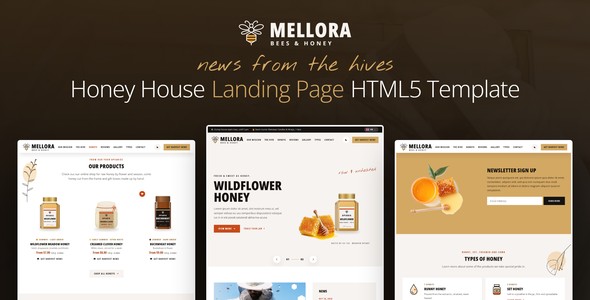
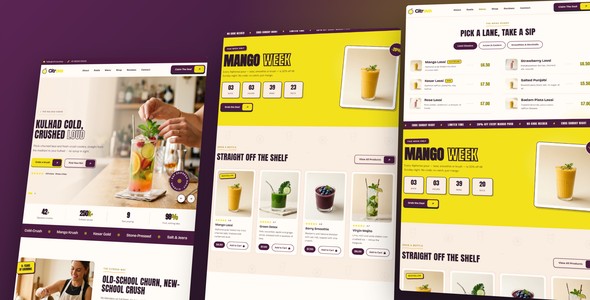
Each of these landing pages focuses on one action, loads as a single HTML5 page and includes a working contact form. For an email or social campaign, Mellora grows a newsletter, and Citrova runs a limited-time offer.
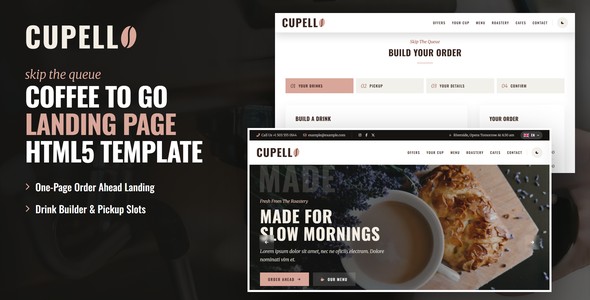
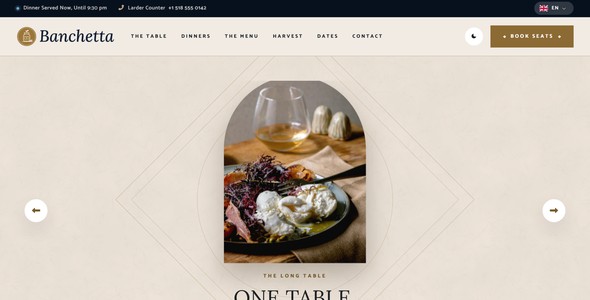
For local search and QR codes, Cupello takes coffee orders ahead, and Banchetta sells seats at a long-table dinner.
How to Tag Your Links With UTM Parameters
UTM parameters are short tags added to a link, so analytics knows exactly where each visitor came from. Without them, email and social traffic often shows up as “direct”, and you cannot compare channels.
A tagged link looks like this:
yoursite.com/booking/?utm_source=newsletter&utm_medium=email&utm_campaign=autumn-menu
- utm_source: where the link sits, such as newsletter, instagram or qr-menu.
- utm_medium: the type of channel, such as email, social or print.
- utm_campaign: the campaign name, so all links of one campaign group together.
Use the same lowercase names every time. Otherwise, “Email” and “email” appear as two different channels.
How to Make a Landing Page Rank in Search
Search traffic takes longer to build, but it keeps coming without new effort. To give a landing page a real chance to rank:
- Pick one specific search. “Private dining room booking in Austin” is easier to win than “restaurant”.
- Use it in the right places. Put the phrase in the page title, the headline, the first paragraph and the meta description.
- Add useful text. Explain what is included, the price, the process and who it is for. A page with only a form and a slogan has nothing to rank with.
- Answer questions. A short FAQ covers the long searches people type, such as “how far ahead should I book”.
- Link to it. Link the landing page from your website, blog posts and Google Business Profile.
- Keep it fast. A slow page frustrates visitors and wastes the traffic you worked for.
A 30-Day Traffic Plan for a New Landing Page
If you are launching a landing page this month, this simple plan spreads the work across four weeks:
| Week | What to do |
|---|---|
| Week 1 | Tag links with UTM parameters, email your list, update social bios and your Google Business Profile. |
| Week 2 | Post two short videos and three pins, and print a QR code for your counter or flyers. |
| Week 3 | Ask one partner business to share the page, and answer questions in two communities. |
| Week 4 | Publish a blog post that links to the page, review the numbers, and drop the weakest channel. |
Mistakes That Waste Landing Page Traffic
- Sending traffic to the home page: visitors have to search for the offer, and many give up.
- A message that does not match: the ad says one thing and the page says another.
- A broken form on mobile: test the whole journey on a phone before you promote it.
- No follow-up: people who did not act today may act next week, so collect emails and retarget.
- Spreading too thin: five channels done badly bring less than two channels done well.
Measure Which Channel Works
Finally, compare channels by conversions, not by visits. A channel that sends fewer visitors who book is worth more than one that sends crowds who leave. So review the numbers every week, and move your time to the two channels that convert best.
Frequently Asked Questions
Want a page that is ready for traffic today? Browse one-page HTML5 landing pages by industry.