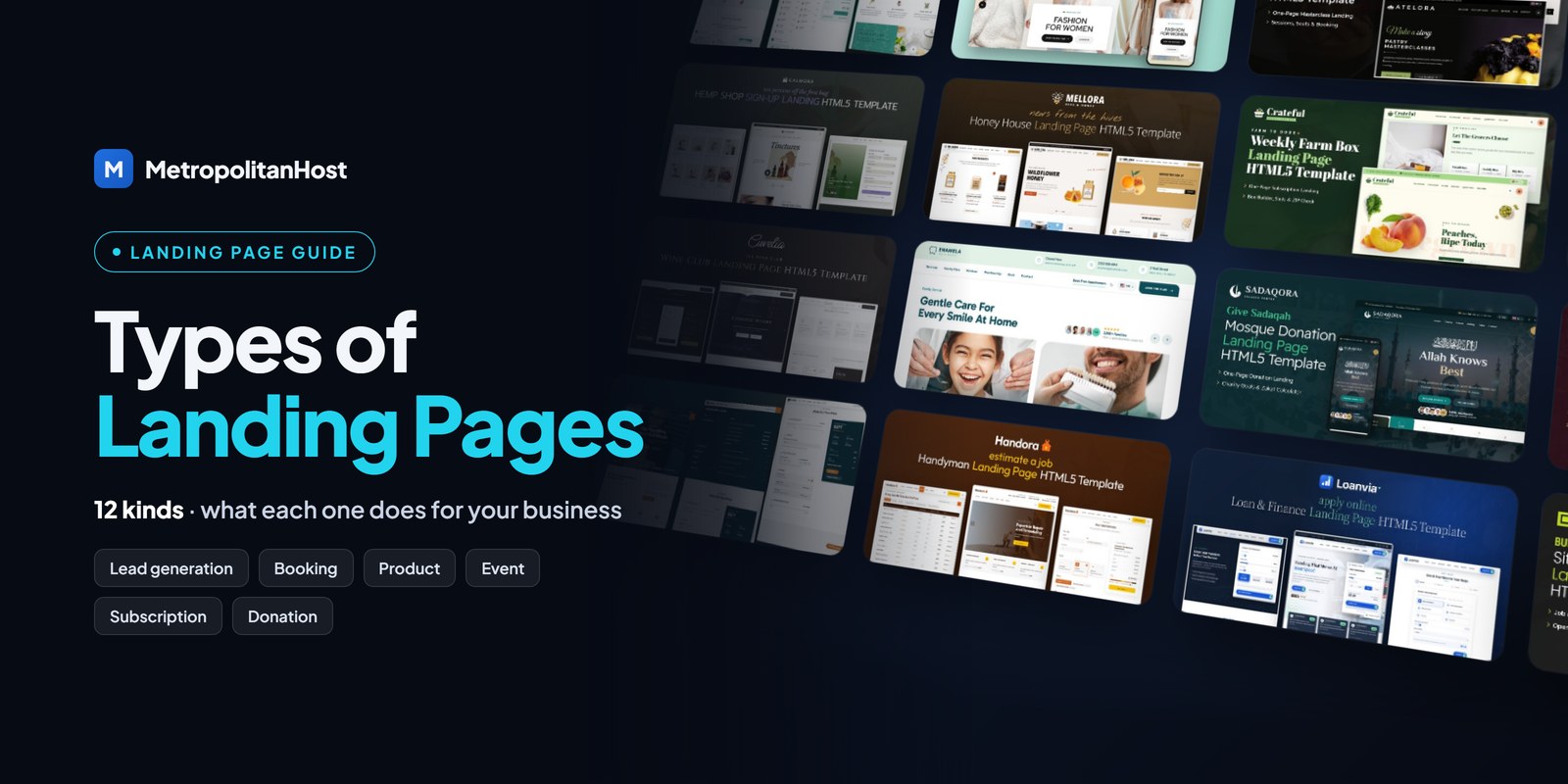
There are many types of landing pages, and each one is built for a single job: a booking, a lead, an order, a donation or a sign-up. That single job is what separates a landing page from the rest of a website. A home page tells visitors everything about you. A landing page, by contrast, asks them to do one thing, and it removes everything that gets in the way.
This guide walks through the 12 types of landing pages businesses use most, what each one does for your business, and what it needs on the page. For every type, you will also find real one-page HTML5 examples you can open, test and edit.
What Makes a Landing Page Different?
A landing page is a single page with one goal and one main call to action. Visitors usually arrive from an ad, an email, a social post, a QR code or a search result. So the page continues that exact message, and then it asks for one action.
Because of that focus, a good landing page usually has:
- One headline that repeats the promise the visitor clicked on.
- One call to action, repeated down the page, never five different ones.
- Only the sections that support the decision: proof, details, price and questions.
- A short form or a clear button, placed where the visitor is ready to act.
- Little or no main navigation, so visitors do not wander off.
In short, the type of landing page you choose depends on the action you want. So below are the 12 types of landing pages, from the most common to the most specialised.
The 12 Types of Landing Pages
1. Lead Generation Landing Page
A lead generation landing page collects contact details in exchange for something useful: a quote, an estimate, a consultation or a guide. It is the most common type of landing page for service businesses, because most services start with a conversation.
How it helps your business: it turns anonymous visitors into named prospects you can call or email. In addition, it qualifies them, because the form asks what they need before you spend time on the call.
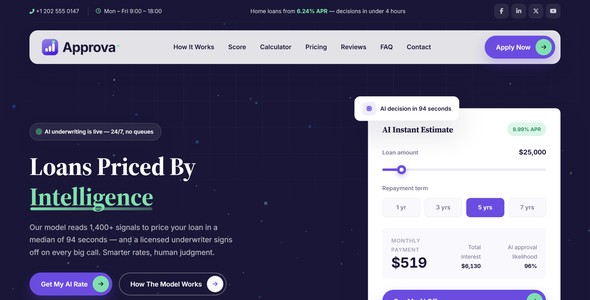
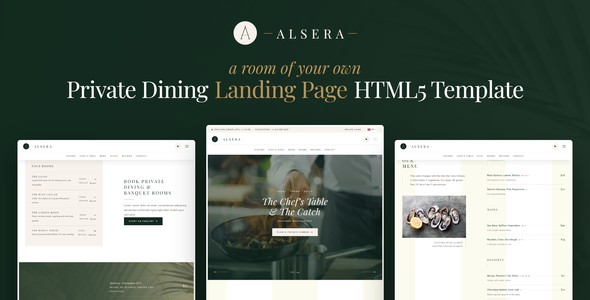
What it needs: a short form (three to five fields), a clear reason to fill it in, and proof that the reply comes quickly. For example, Approva asks three questions and answers with a live loan estimate, while Alsera turns a private dining enquiry into a guided request.
2. Booking Landing Page
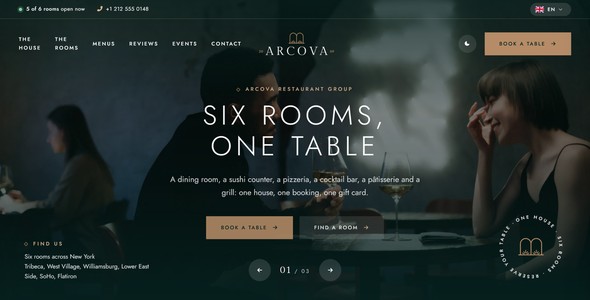
A booking landing page lets visitors reserve a table, a visit, a session or an appointment without calling. It is the biggest group in our own catalog, because restaurants, clinics, studios and tour operators all live on bookings.
How it helps your business: bookings arrive while you are busy or closed, and fewer calls go unanswered. Also, a visible calendar or time picker reduces the back-and-forth that loses customers.
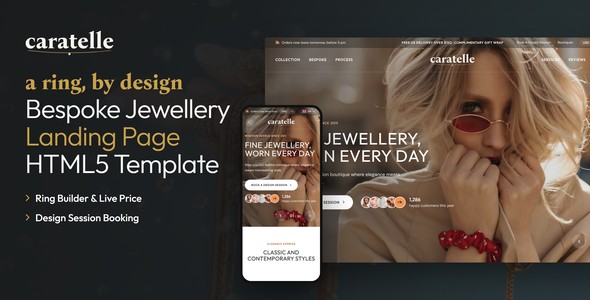
What it needs: available times on the page, the price or deposit up front, and a confirmation step. Arcova books restaurant group tables, and Caratelle lets a jewellery client build a ring and then book a design session.
3. Click-Through (Product) Landing Page
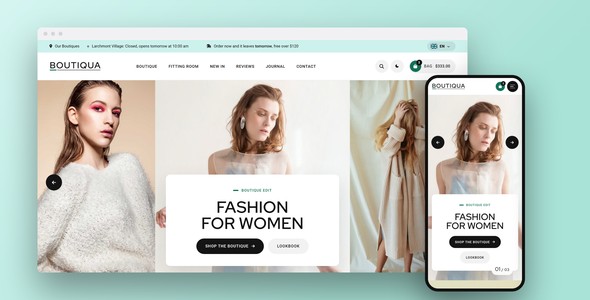
A click-through landing page presents one product or offer and sends the visitor on to checkout. Online stores use it for launches, bundles and seasonal products, because a full shop page offers too many distractions.
How it helps your business: it raises the share of visitors who reach checkout, since the page answers every question about one product before the buy button. As a result, ad clicks are not wasted on a busy category page.
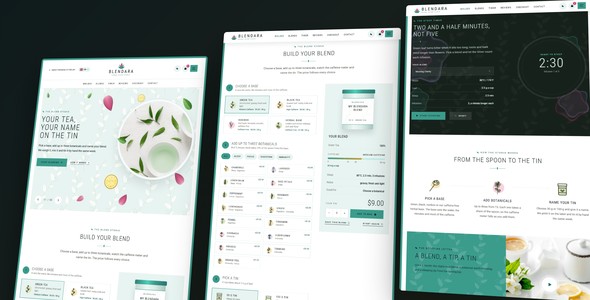
What it needs: large product photos, the price, the main benefits, reviews and one buy button. For instance, Blendara lets visitors build and order a custom herbal tea blend on one page.
4. Event Registration Landing Page
An event registration landing page sells or reserves seats for a class, a show, a dinner or a workshop. It works best with a date, a countdown and the number of seats left.
How it helps your business: it fills events earlier, because urgency is visible on the page. Moreover, you collect attendee details for reminders and follow-ups.
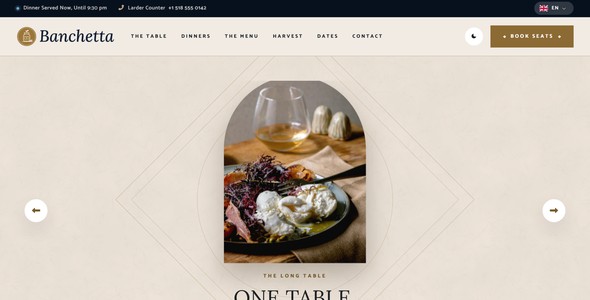
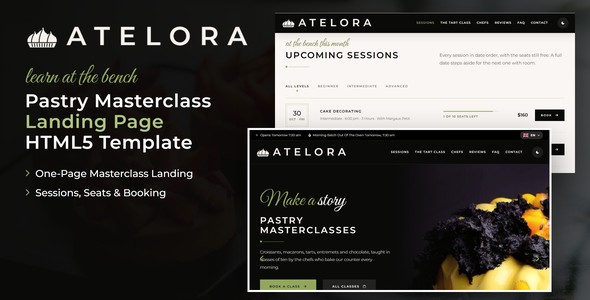
What it needs: the date, the venue, the agenda, the seat count and a short registration form. Atelora books pastry masterclass seats, and Banchetta sells seats at a long-table dinner.
5. Squeeze (Opt-In) Landing Page
A squeeze page is the shortest type of landing page. It asks for one thing, usually an email address, in return for a discount, a newsletter or a free resource.
How it helps your business: it builds an email list you own. Then, every product launch or offer can go straight to people who already asked to hear from you.
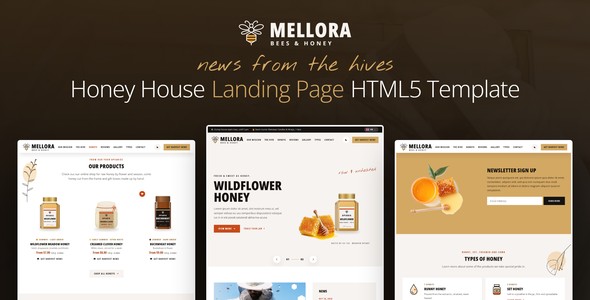
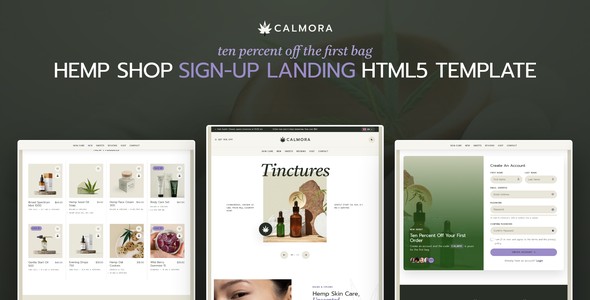
What it needs: one field, one button and a clear reward. Calmora offers ten percent off the first order for an email, and Mellora invites visitors to a harvest newsletter.
6. Subscription Landing Page
A subscription landing page sells a recurring product: a weekly box, a coffee club, a meal kit or a supplement plan. The page has to explain what arrives, how often, and how easy it is to pause or cancel.
How it helps your business: one conversion becomes months of revenue. Therefore, a subscription landing page often pays back more than any single sale.
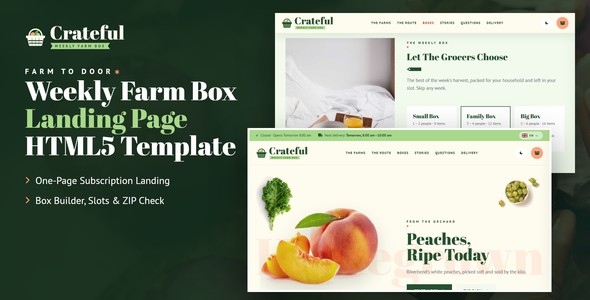
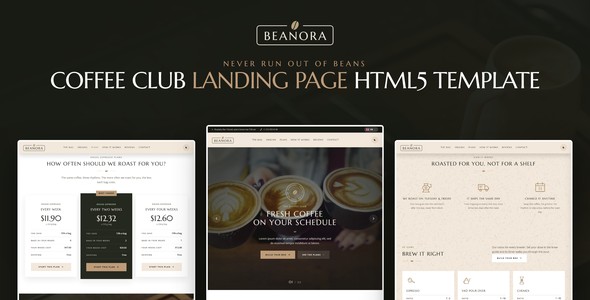
What it needs: plan options, the price per delivery, a builder or picker, and a clear cancellation promise. Crateful starts a weekly farm box, and Beanora starts a coffee club.
7. Membership Landing Page
A membership landing page invites people to join: a wine club, a museum, a congregation or a family dental plan. Unlike a subscription, the value is access and belonging, not only a product.
How it helps your business: members come back, spend more and recommend you. In addition, membership fees give you predictable income.
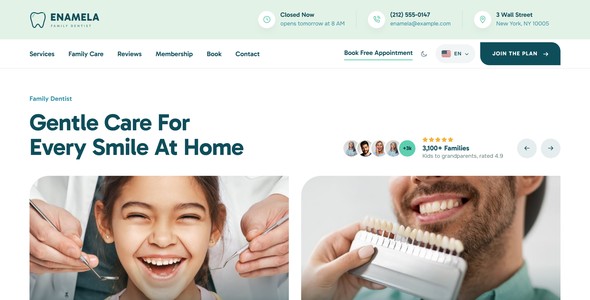
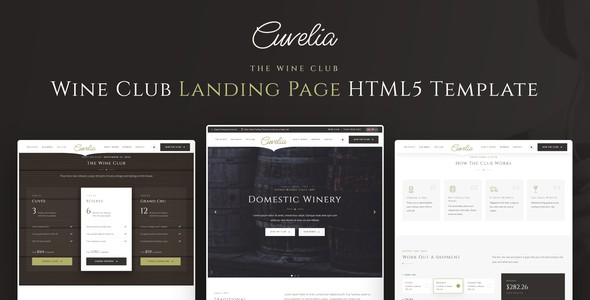
What it needs: the tiers, what each tier includes, and a simple join form. Cuvelia sells wine club tiers, and Enamela explains a family dental membership.
8. Donation Landing Page
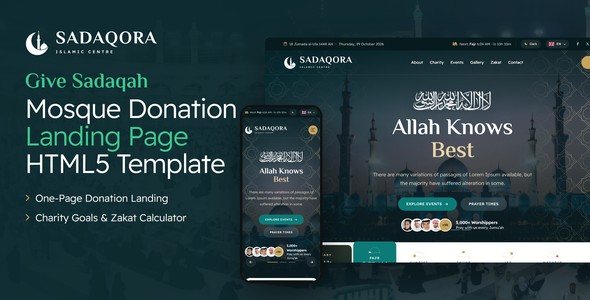
A donation landing page asks for a gift to a cause, a temple, a church or a charity. It needs trust more than any other type, so it shows where the money goes.
How it helps your organisation: online giving works at any hour, and recurring gifts become steady support. Also, a clear goal or progress bar encourages people to give now.
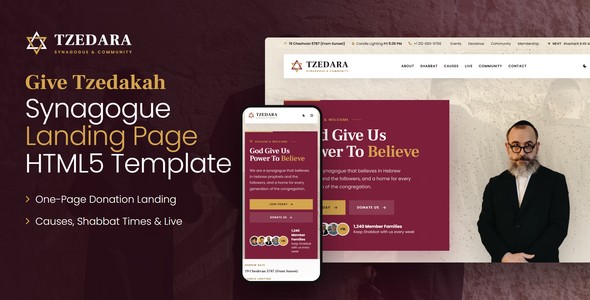
What it needs: preset amounts, a monthly option, what each gift provides, and reassurance about payment. Sadaqora collects mosque donations, and Tzedara collects tzedakah for a synagogue.
9. Quote Request Landing Page
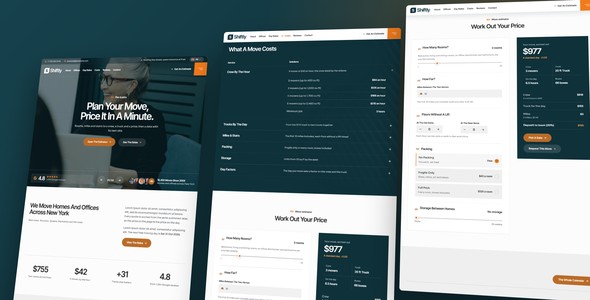
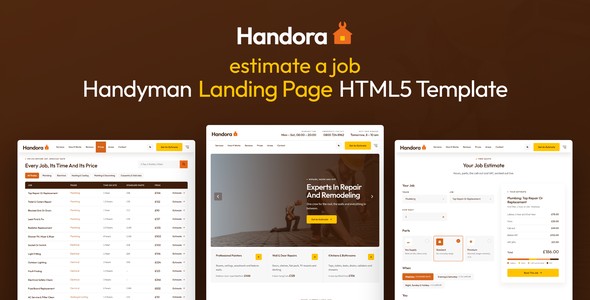
A quote landing page gives a price estimate before the sales call. Movers, handymen, installers and car dealers use it, because buyers want a number before they talk to anyone.
How it helps your business: visitors who see a realistic range are more serious when they reach out. As a result, your team spends time on qualified jobs.
What it needs: a short calculator or a few questions, an estimate, and a way to confirm it. Shiftly prices a move, and Handora estimates a handyman job.
10. Application Landing Page
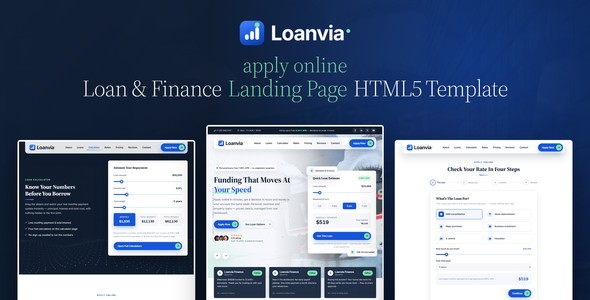
An application landing page collects applications: jobs, loans, courses, castings or creator programmes. It filters candidates before you read a single CV.
How it helps your business: it brings better applicants, because the page sets expectations first. Furthermore, the structured form makes applications easy to compare.
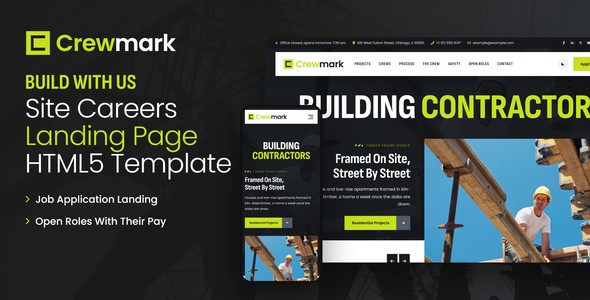
What it needs: who should apply, the steps and timeline, and a form split into short steps. Loanvia handles loan applications, and Crewmark recruits construction crews.
11. Order-Ahead Landing Page
An order-ahead landing page lets customers order before they arrive and collect without waiting. Cafés, bakeries and takeaways use it to serve more people at peak times.
How it helps your business: it shortens queues and raises the average order, since customers browse the full menu calmly. Also, orders arrive already paid or confirmed.
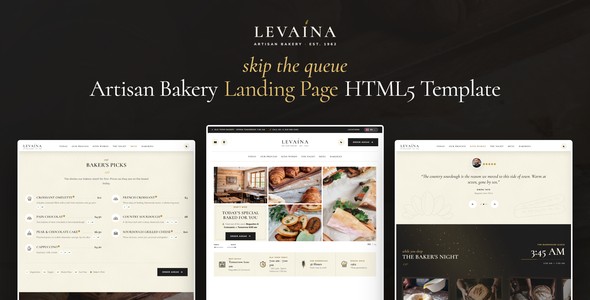
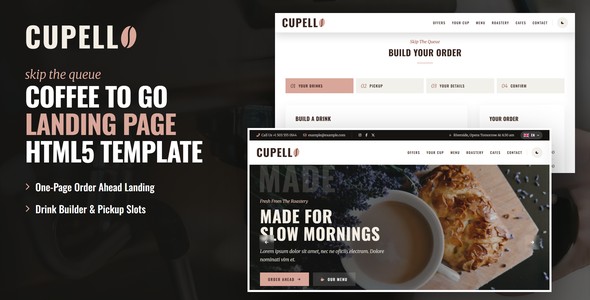
What it needs: the menu with prices, a pickup time picker, and a short checkout. Cupello takes coffee orders ahead, and Levaina takes bakery pre-orders.
12. Offer and Gift Card Landing Page
An offer landing page promotes one deal for a limited time, and a gift card page sells vouchers. Both rely on a clear reason to act now.
How it helps your business: offers bring new customers in quiet periods, and gift cards bring revenue before the visit. In addition, gift card buyers often bring new guests who did not know you.
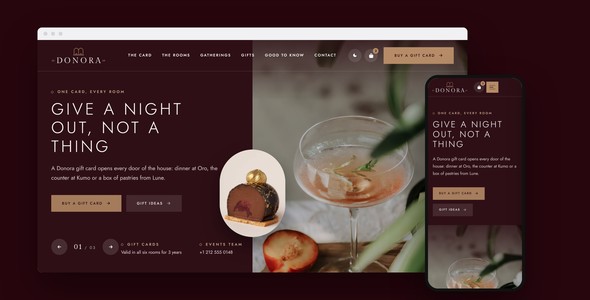
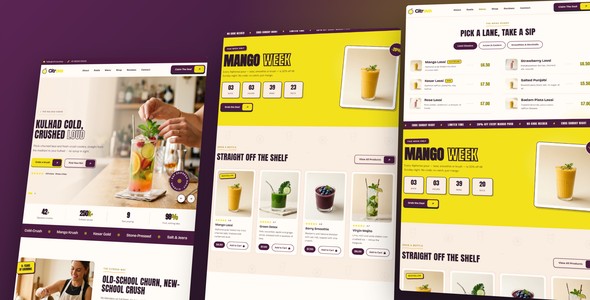
What it needs: the offer, the end date, the terms in plain words, and one button. Citrova runs a juice bar offer week, and Donora sells restaurant gift cards.
How to Choose the Right Type of Landing Page
Start from the action that makes you money, not from the design. Then, among the types of landing pages above, pick the one that asks for exactly that action.
| Your goal | Type of landing page |
|---|---|
| A call or a consultation | Lead generation or quote request |
| A reservation or appointment | Booking |
| A sale of one product | Click-through (product) |
| Seats at a class or event | Event registration |
| An email list | Squeeze (opt-in) |
| Recurring revenue | Subscription or membership |
| Support for a cause | Donation |
| Candidates or applicants | Application |
| Faster service at peak times | Order-ahead |
| Sales in a quiet period | Offer or gift card |
If you have two goals, build two landing pages. After all, one page with two calls to action usually converts worse than two focused pages.
What Every Type of Landing Page Needs
Whatever the type, however, the same basics decide whether the page works:
- Message match: the headline repeats the ad, email or post the visitor clicked.
- Fast loading: a slow page loses visitors before they read a word, so keep images light. You can check the speed with PageSpeed Insights.
- Mobile first: most landing page visits come from phones, so the form must be easy to fill with a thumb.
- Proof: reviews, numbers, logos or photos of real work, close to the call to action.
- A working form: test it before launch, and protect it from spam.
Every landing page in our catalog ships with a working PHP contact form, optional invisible reCAPTCHA v3, a responsive Bootstrap 5 layout and a live demo you can test first.
Frequently Asked Questions About Types of Landing Pages
Ready to build one? Browse all one-page HTML5 landing pages by industry, open any live demo, and pick the type that fits your next campaign.