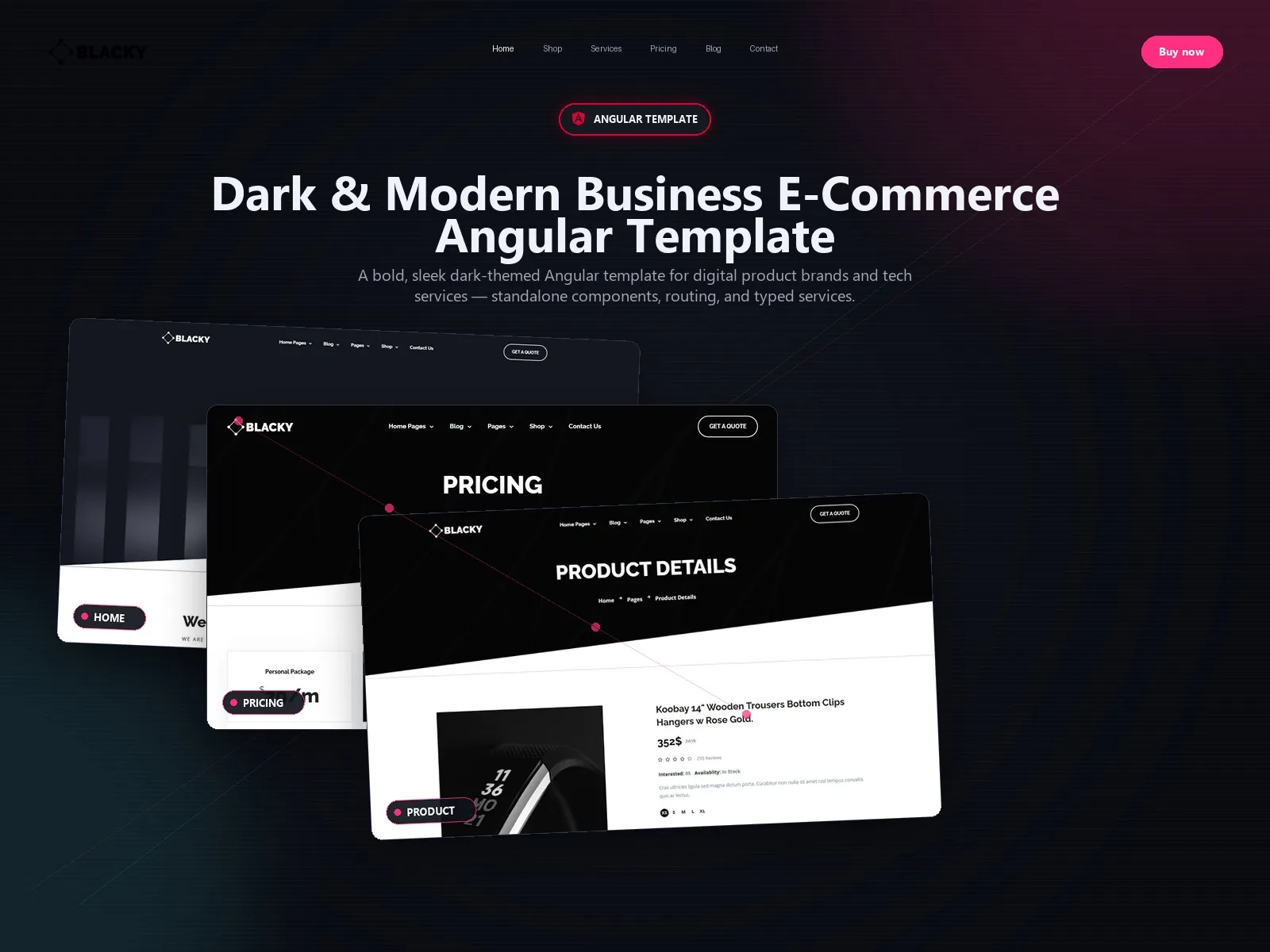
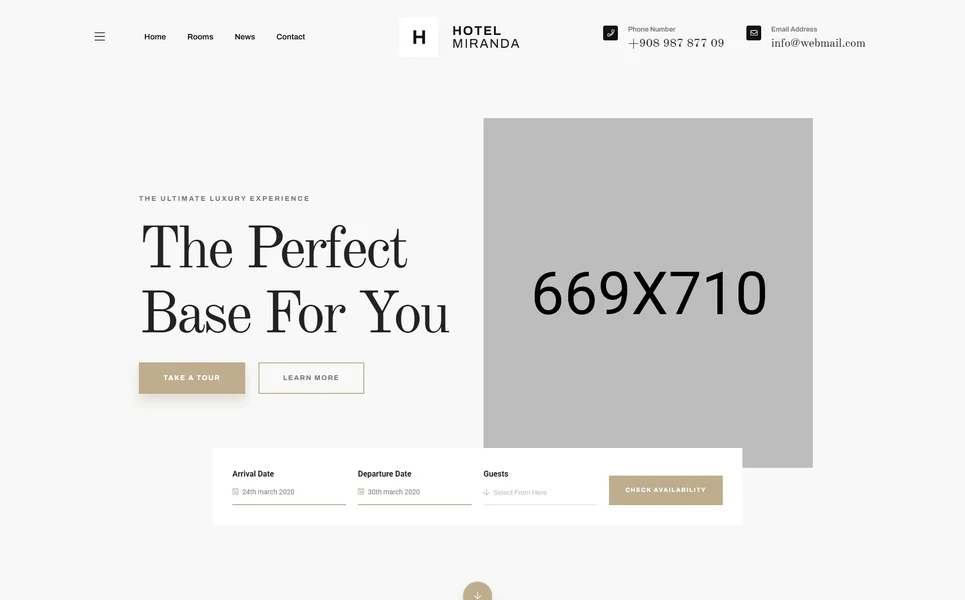
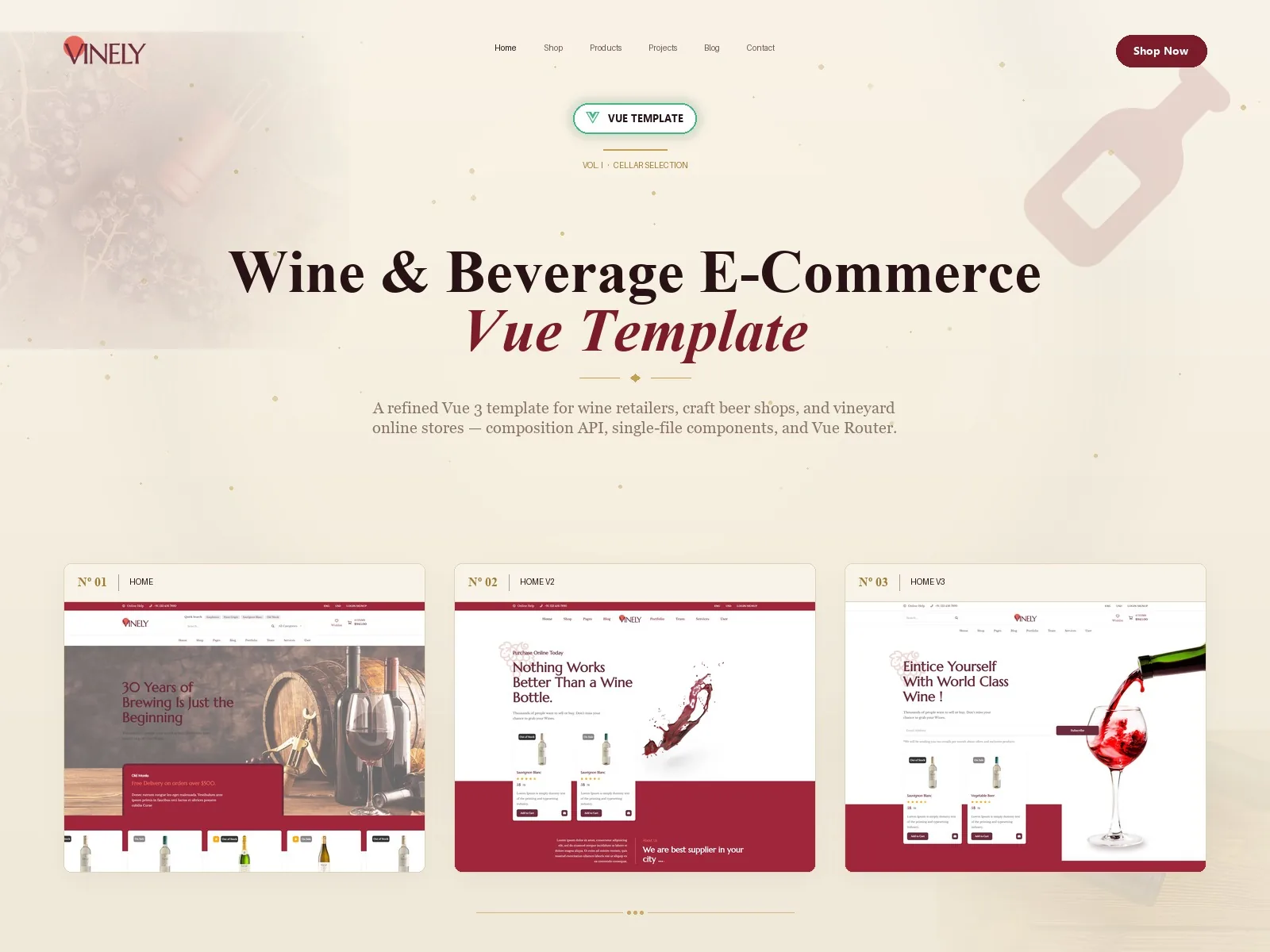
The global logistics industry moved past the eight-trillion-dollar mark in 2026, and the businesses that move freight, manage warehouses, and run last-mile delivery are no longer winning contracts on the loading dock alone. They are winning them online. When a manufacturer needs a freight forwarder, a retailer needs a 3PL partner, or an importer needs a customs broker, the search starts on a phone or laptop long before anyone picks up the phone. In that moment, your website is your sales rep, your credentials, and your quote desk all at once. A professional logistics website template is the difference between landing the enquiry and watching it route to a competitor.
Why Your Logistics Website Is Your Most Important Asset
Logistics is a trust business. A prospective client is handing you their inventory, their delivery deadlines, and their reputation with their own customers. Before they sign a contract or request a shipping quote, they want proof that you are reliable, established, and capable of handling their volume. Your website is where that proof lives. A logistics website that loads fast, presents your services clearly, and makes requesting a quote effortless will convert the visitor that a slow, dated, confusing site loses. This is measurable in enquiry volume, quote-request completion rates, and the quality of the leads that reach your sales team.
Mobile traffic now drives the majority of B2B research, and logistics is no exception. Procurement managers compare freight providers on their phones between meetings, warehouse operators check carrier credentials from the floor, and small-business owners search for express delivery partners from wherever they happen to be. If your logistics website does not perform flawlessly on a small screen, you are invisible to a huge share of the decision-makers who would otherwise become customers. Every design decision, from the navigation menu to the placement of your Get A Quote button, has to start with mobile and scale up to desktop.
First impressions carry extra weight in an industry where most companies look interchangeable on paper. Two freight forwarders can offer the same lanes, the same transit times, and similar pricing, yet one will win the account because its website communicated competence and the other looked like it was built a decade ago. Core Web Vitals, the performance metrics Google uses to rank pages, reward sites that load quickly and stay visually stable. A modern, Bootstrap 5 logistics website template gives you that technical foundation out of the box, so your team can focus on operations instead of fighting with a sluggish, fragile site.
What Makes a Great Logistics Website
Not every website that looks attractive will actually perform for a logistics company. The freight and supply-chain industry has specific demands, and the best logistics website templates are designed around them. After evaluating the field, four qualities consistently separate a website that wins contracts from one that simply exists.
Clear Service Architecture for Every Freight Mode
Logistics companies rarely do just one thing. You might handle sea freight, air freight, road haulage, warehousing, customs clearance, and last-mile delivery under a single roof. A great logistics website template gives each of those services room to breathe with a dedicated services module and individual service detail pages, so a prospect researching air freight lands on a page about air freight rather than a generic catch-all. This structure also pays off in search: each service detail page can target its own keyword, multiplying the ways a potential client can find you. The strongest logistics web design treats services as the spine of the site, not an afterthought tucked into a paragraph on the homepage.
Proof of Reliability Through Stats and Case Studies
In logistics, claims are cheap and proof is everything. The website templates that convert best build credibility through animated statistics, on-time delivery percentages, shipment counters, and detailed case studies that show real routes and real outcomes. A freight forwarder that displays an animated ninety-eight percent on-time figure and a portfolio of completed shipments is far more persuasive than one that simply says it is reliable. A great logistics website template ships with these trust components ready to populate, including portfolio archives, project detail pages, and client testimonial sliders, so you can turn your track record into a sales argument.
A Frictionless Quote and Enquiry Path
The entire purpose of a logistics website is to generate enquiries, and the single most important conversion point is the request-a-quote flow. The best logistics website designs put a Get A Quote call-to-action within reach on every page and back it with a clean, focused enquiry form that captures the details your sales team actually needs: origin, destination, cargo type, and volume. Anything that adds friction between an interested visitor and a submitted enquiry costs you revenue. A well-built logistics template treats the quote path as the conversion engine of the whole site rather than burying contact details on a single page.
Mobile-First Performance and Clean Navigation
A logistics website carries a lot of information: multiple service lines, a fleet or coverage map, case studies, a team directory, and often a blog. Organizing all of that without overwhelming the visitor is a design discipline. The best logistics website templates use responsive, mobile-first navigation that keeps deep menus usable on a phone, with carousels and filtered grids that let visitors find what they need in a tap or two. Built on Bootstrap 5 with a mobile-first grid, these templates stay fast and stable on every device, which is exactly what both your customers and Google’s ranking algorithm reward.
4 Logistics Website Templates Worth Using in 2026
We evaluated the full catalog of logistics and freight website templates and selected the four that deliver the best combination of design quality, feature depth, and real-world usability for a logistics business. Each one is a production-ready HTML5 template built on Bootstrap, fully responsive, and crafted specifically for freight forwarders, carriers, couriers, and supply-chain operators. Here is the collection, with a live demo for each so you can judge the design for yourself.
1. Viewpoint (20 Pages)
Viewpoint is the most comprehensive logistics website template in this roundup, and it is built squarely for multi-modal freight businesses. Its services grid is organized around the four pillars of modern logistics, Sea Freight, Air Freight, Road Freight, and Local Delivery, each with its own individual service detail page so prospects always land on content that matches what they searched for. Across 20 fully crafted HTML pages and three distinct homepage layouts, Viewpoint gives a freight forwarder genuine design variety without unnecessary bloat.
The trust-building tooling is where Viewpoint earns its place. EasyPieChart-animated statistics let you put on-time delivery percentages front and center, while the fleet and project portfolio comes in grid, masonry, and slider formats with dedicated detail pages for individual routes and shipment case studies. A Get A Quote enquiry section, a why-choose-us value proposition, a team directory with profile pages, an FAQ for prospective shippers, and a news blog round out a template that covers the full logistics sales cycle. Isotope grid filtering and MeanMenu responsive navigation keep the whole thing fast and easy to browse on any device.
Best for: full-service freight forwarders and multi-modal carriers that handle sea, air, and road freight and need every service to have its own page and its own quote path.
2. Delco (19 Pages)
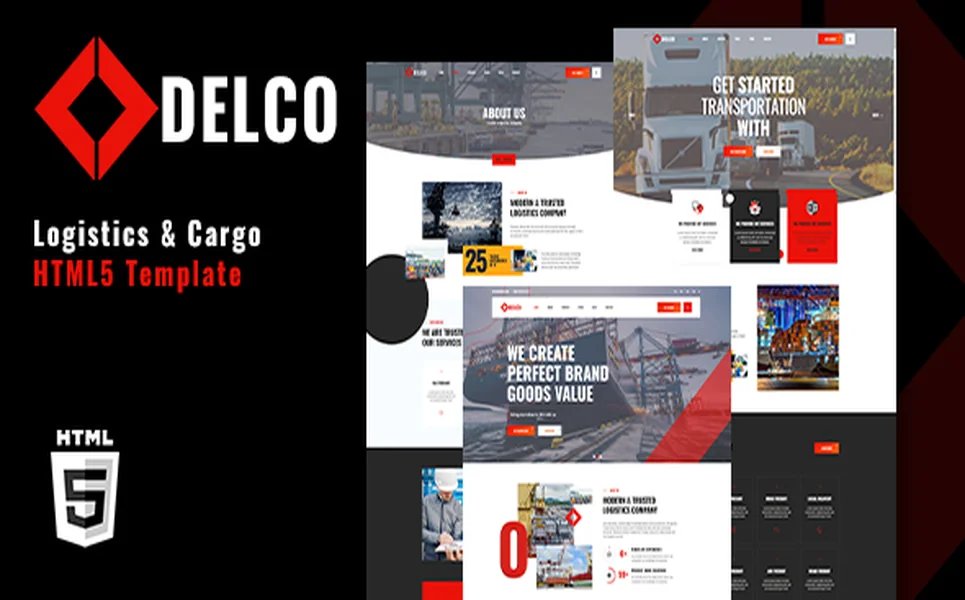
Delco is a bold, professional logistics website template built for freight forwarders, cargo transporters, and shipping agencies that want a polished corporate presence with room to grow a content strategy. It spans 19 HTML pages with three unique home layouts, and it pairs a clean services module, complete with individual service detail pages, with a portfolio module that presents case studies and completed projects in four distinct layout styles. That flexibility lets you show off your operations in whichever format suits your work best.
What sets Delco apart is its fully developed blog system, offered in grid, sidebar, and full-article detail formats, which makes it the strongest pick for a logistics company that wants to publish industry insight and rank for informational searches alongside its service pages. A team section with management profiles, EasyPieChart animated capability charts, an FAQ page covering freight and transport questions, and branded coming-soon and 404 pages mean Delco ships as a genuinely complete site. Built on Bootstrap 5 with Slick carousels, Isotope filtering, and Magnific Popup lightbox, it is a production-ready logistics web presence from day one.
Best for: established logistics companies and freight forwarders that want a corporate-grade site and plan to run content marketing through a serious, multi-format blog.

3. Shipper (16 Pages)
Shipper is the most energetic template in this collection, and that energy is deliberate. Built for express delivery services, cargo shipping firms, and freight forwarders where speed is the selling point, it leans into motion and urgency. Across 16 HTML pages and two distinct home layouts, Shipper uses WOW.js scroll-triggered animations, Slick carousel-powered service showcases, and CounterUp-animated statistics for shipments delivered and customers served, all of which make a delivery business feel fast and alive the moment a visitor lands.
Its standout feature is the Countdown timer, which lets an express delivery service create genuine urgency around cutoff times, same-day deadlines, or limited offers, a UX touch most logistics templates lack. A services section, a case studies archive that documents shipping projects and client successes, an editorial blog, and an FAQ page give Shipper the substance to back up the style. Isotope category filtering and Magnific Popup lightbox keep the browsing experience smooth. For a time-sensitive logistics brand, Shipper turns the abstract promise of speed into something a visitor can feel.
Best for: express delivery and time-sensitive cargo companies that compete on speed and want animation, counters, and countdown timers to make that urgency tangible.
4. Expotia (15 Pages)
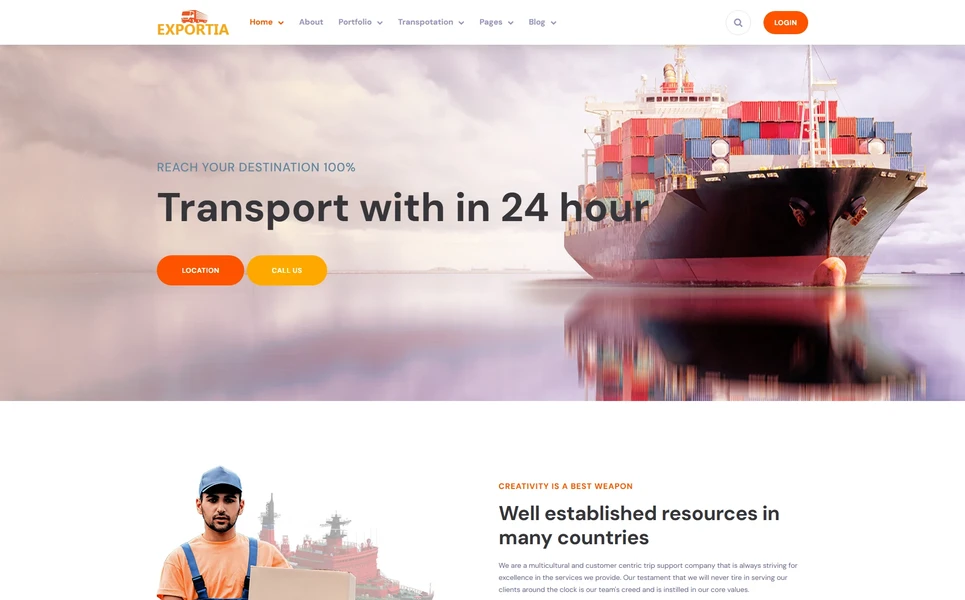
Expotia is a clean, professional logistics website template built specifically for the international side of freight: export logistics agencies, shipping and customs services, trade and transport companies, and supply-chain consultancies. Its 15 HTML pages and two home layouts present a focused, credible face for a business that moves goods across borders, where trust and documentation matter even more than speed. The services module, with individual service detail pages, gives export, freight, and customs offerings the dedicated space they need.
The portfolio module showcases international shipment case studies in four distinct layout styles, which is exactly what a freight company needs to prove it can handle complex cross-border moves. Team profiles build the personal credibility that customs and trade clients look for, and a three-format blog, in grid, sidebar, and full-article views, lets a logistics consultancy share regulatory and trade expertise that wins informational searches. Owl Carousel-powered testimonials and a Magnific Popup lightbox keep the presentation modern and uncluttered. Expotia is the template to reach for when your logistics business crosses borders.
Best for: international freight forwarders, customs brokers, and export-trade agencies that need a polished, documentation-friendly presence for cross-border logistics.

Essential Features Every Logistics Website Needs
Whichever template you choose, a logistics website has to earn its keep by turning visitors into enquiries. As you evaluate a logistics website template, make sure it covers the non-negotiables that the freight and supply-chain industry demands. These are the features that separate a site that books contracts from one that just sits online.
- Dedicated service pages for each freight mode so sea, air, road, warehousing, and delivery each get their own page that can rank and convert independently.
- A prominent Get A Quote enquiry path reachable from every page, backed by a focused form that captures origin, destination, cargo type, and volume.
- Animated performance statistics such as on-time delivery percentages and shipment counters that prove reliability at a glance.
- A case-study or portfolio archive with detail pages that document real routes and shipments to back up your claims.
- Mobile-first responsive navigation that keeps deep service menus usable on a phone where most B2B research now happens.
- An integrated blog for publishing industry insight, regulatory updates, and shipping guides that win informational search traffic.
- A team or about section that puts faces and credentials behind the company to build the trust logistics buyers require.
- Fast, Core Web Vitals-friendly performance on a modern Bootstrap 5 foundation so the site loads quickly and ranks well.
Choosing the Right Template
The right logistics website template depends on the shape of your business, not on which design looks busiest. Start with your service mix. If you run true multi-modal freight across sea, air, and road, Viewpoint gives every mode its own service architecture and the most complete sales-cycle coverage. If your priority is a corporate-grade presence with a serious content strategy, Delco’s three blog formats and four-style portfolio make it the natural fit. If speed is your differentiator, Shipper’s countdown timers and animated counters turn that promise into something visitors can feel. And if you move goods across borders, Expotia is purpose-built for international freight, customs, and trade.
Beyond fit, weigh page count against how much content you can realistically produce. A 20-page template like Viewpoint is a gift if you have services, case studies, and a team to fill it, but a leaner 15- or 16-page template like Expotia or Shipper may launch faster if you are a smaller operation. Every template in this roundup is built on Bootstrap and ships as production-ready, responsive HTML, so the technical foundation is sound across the board. The decision comes down to matching the template’s strengths to the logistics story you most need to tell.
One more consideration: think about where your business is heading, not just where it is today. A logistics company planning to add lanes, expand into warehousing, or grow a content operation should pick a template with the structural headroom to absorb that growth. It is far easier to grow into a well-architected logistics website template than to outgrow a thin one and rebuild a year later.
Start Building Your Logistics Website
A great logistics website is no longer optional. It is the channel where freight forwarders win contracts, carriers prove their reliability, and delivery companies turn searches into quote requests. Each of the four templates in this roundup gives you a production-ready, Bootstrap-built foundation designed specifically for the freight and supply-chain industry, so you can launch a credible, fast, mobile-first logistics website without starting from a blank page. Pick the one that matches your service mix, populate it with your real routes and statistics, and put your Get A Quote path front and center.
Ready to see the full range? Browse All Logistics Templates to explore every logistics and freight website template in the collection, compare features, and find the one that fits your business. Your next contract may well start with the website you launch this month.